



Blog - ArchivesPosts of 10/2025
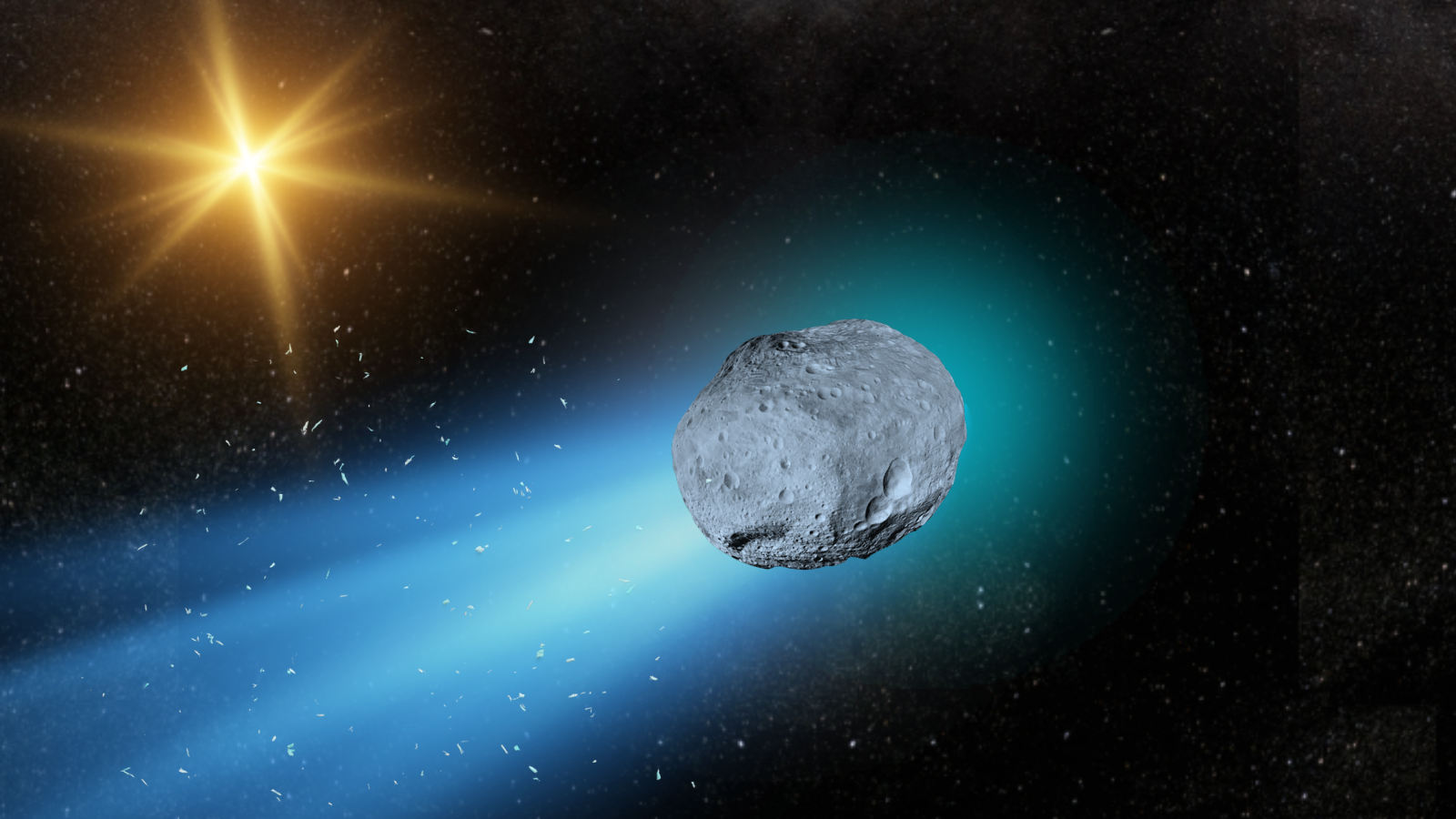
 3I/ATLAS ON ITS INTERSTELLAR JOURNEY CROSSES THE SOLAR SYSTEM
3I/ATLAS ON ITS INTERSTELLAR JOURNEY CROSSES THE SOLAR SYSTEM
1. What is 3I/ATLAS?
- It was discovered on July 1, 2025 by the Asteroid Terrestrialimpact Last Alert System (ATLAS) surveillance system in Chile.
- It is the third confirmed object of interstellar origin to have passed through the solar system, after 1I/ʻOumuamua and 2I/Borisov.
- Although some sources speak of an "asteroid", the evidence indicates that it is a comet (activity, gas-and-dust coma) and not a simple asteroid.
2. Physical and observational characteristics
- The estimated size of the core varies: some measurements indicate an upper limit of ~5.6 km in diameter.
- Its initial velocity (when it was discovered) was about 61 km/s (~221,000 km/h) relative to the Sun.
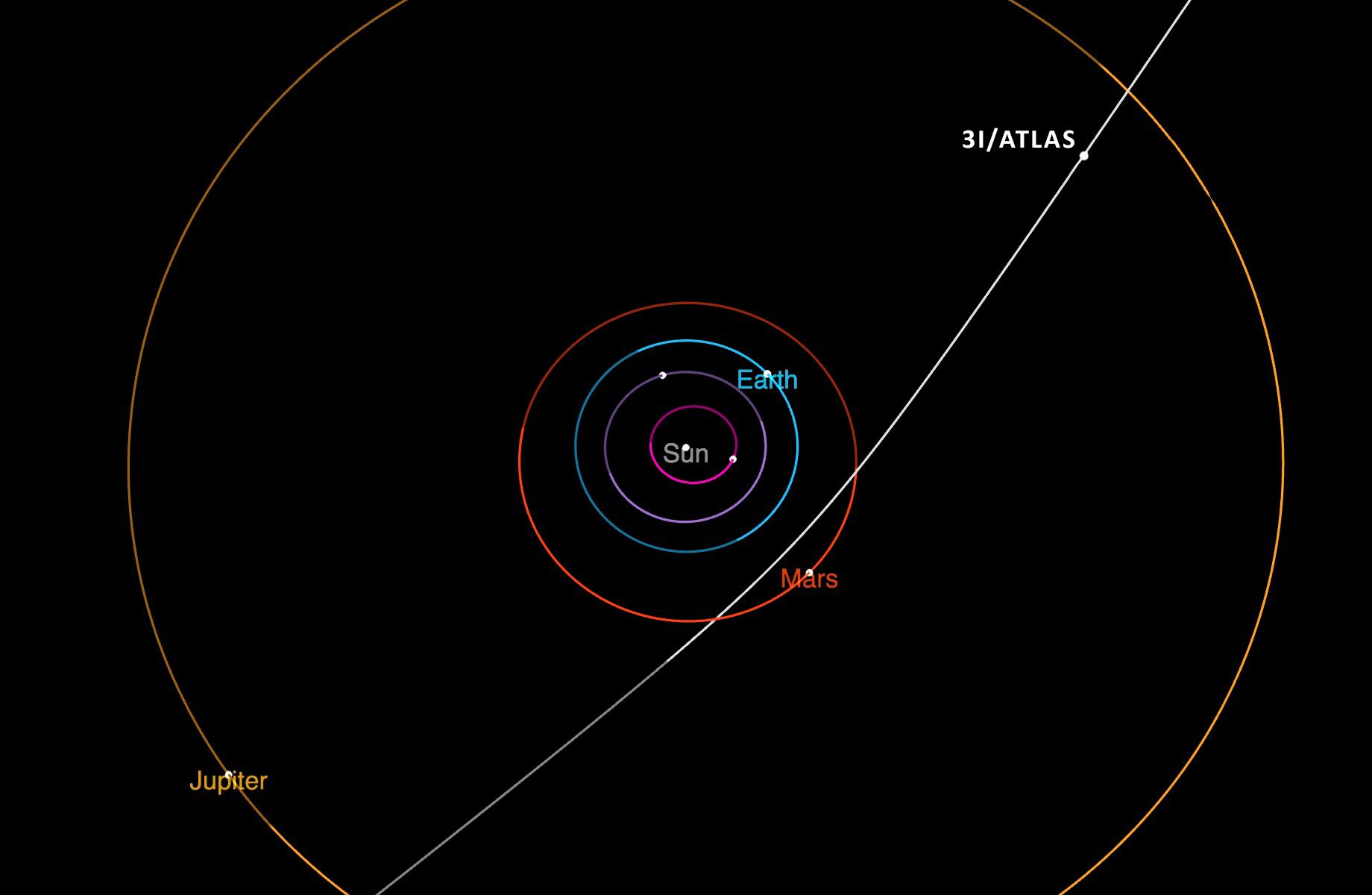
- Its trajectory is hyperbolic, confirming that it is not gravitationally bound to the Sun permanently (i.e., it comes from interstellar space and will continue its journey).
3. Trajectory and planetary approaches
- Perihelion (closest point to the Sun) is estimated for the end of October 2025, at a distance of ~1.4 AU (~210 million km) according to some sources.
- Relevant approaches:
- To Mars: ~0.19 AU on October 3, 2025.
- To Earth: Its minimum estimated distance is ~1.8 AU (~270 million km) on December 19, 2025.
- To Mars: ~0.19 AU on October 3, 2025.
- In short: it will not get close enough to pose any danger to the Earth.
4. Risk to the Earth
- Since its minimum distance as it passes by the Earth is around 1.8 AU, which is much larger than the Earth's orbit (~1 AU), it poses no impact risk.
- Because of its trajectory characteristics, size, and speed, astronomers consider it a scientific opportunity rather than a threat.
5. Scientific significance
- Since it comes from interstellar space, 3I/ATLAS offers the opportunity to study materials that formed outside our solar system: composition, isotopy, dust, ices – which may give clues about other planetary systems.
- Its relatively close passage to several planets and the Sun allows several instruments and space missions to make valuable observations.
6. What we don't know yet
- The exact size of the core is not precisely defined: estimates vary widely.
- Although we know their overall trajectory, minor disturbances, cometary activity, can change fine details.
- Its exact composition, internal structure, precise origin within the Milky Way (which star system ejected it), and how long it has traveled are still being investigated.
 Analysis and Review of "Being There" (1979)
- by
cronywell
Analysis and Review of "Being There" (1979)
- by
cronywell
Pi-MiDire Recommended Movie
Analysis and Review of "Being There" (1979)
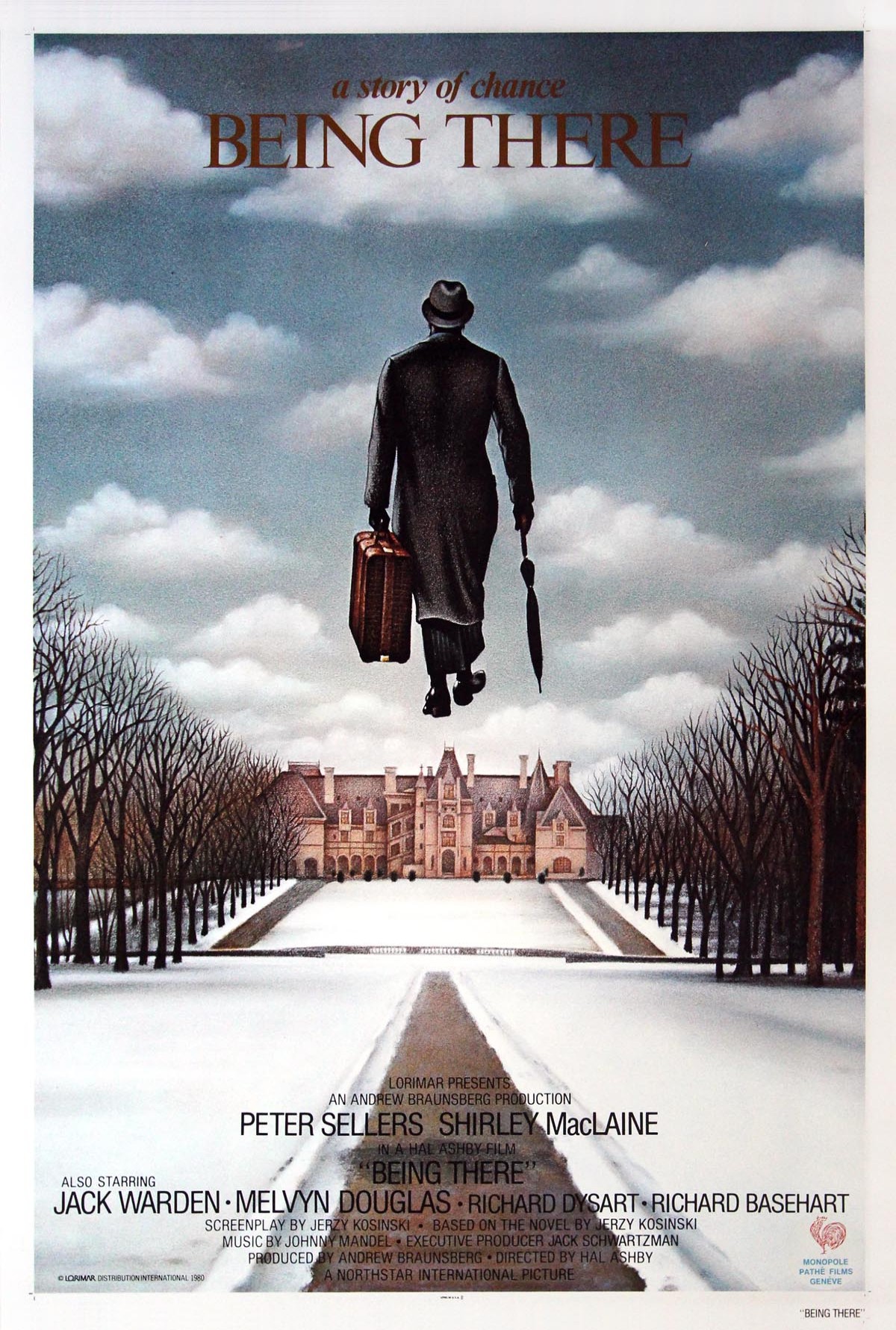
"Being There" is a masterpiece of social satire that remains deeply relevant decades after its release. It is a film that works simultaneously as light comedy, stinging political criticism and philosophical reflection on the nature of reality and perception.
Plot and Premise
The film features Chance, masterfully played by Peter Sellers, a man who has spent his entire life confined to a mansion in Washington DC, where his only contact with the world is through television. When he is expelled from the house, he is accidentally mistaken for an important political adviser and is introduced to circles of power. The extraordinary thing is that their total ignorance about the real world is interpreted by politicians and businessmen as Zen wisdom.
Peter Sellers' Performance
Sellers delivers a performance of extraordinary subtlety. His transformation into Chance is almost invisible: he walks with a peculiar slowness, speaks with a monotone cadence, and his eyes reflect an absolute naivety. There is no caricature here; it is a profoundly humanistic characterization. Sellers avoids making the comic character in the traditional sense; Instead, he lets comedy emerge naturally from the contrast between his innocence and the apparent sophistication of the world around him. It's probably his most elegant and least flashy role, but also one of his most brilliant.
Social Satire
The great thing about the film is that the joke is not about Chance, but about us. The real criticism is directed at the people around him: politicians, business moguls, and celebrities who are so desperate for depth that they project meaning into the most banal observations. When Chance talks about "changing seasons" or uses TV metaphors he misinterprets, his interlocutors assume he's speaking in political code.
Ashby exposes how power and influence are built not on actual competition, but on perception, charisma, and the ability to appear to know what you're talking about. It is a critique that could have been written for the 21st century.
The Supporting Characters
The film shines in its secondary characters. Melvyn Douglas, who won a posthumous Oscar for his role, is excellent as the elderly mogul who sees Chance as a reflection of his own success. Jack Warden, Richard Dysart, and others capture the desperation of the powerful for validation. Shirley MacLaine as Eve Rand provides an interesting contrast: she's the only one who, initially, might suspect the truth, but her attraction to Chance blinds her.
Direction and Cinematography
Hal Ashby directed the film with masterful pacing control. Pacing is deliberately slow, allowing the absurdities of each situation to settle on the viewer. Caleb Deschanel's cinematography is beautiful yet neutral, presenting Washington DC not as a place of power but as a stage where a farce is enacted.
Philosophical Themes
The film raises profound questions: What is truth in a society of appearances? Is there such a thing as the authentic "me" or are we all simply reflections of what others expect us to be? Is it possible to distinguish between feigned ignorance and real ignorance in politics? The ending, ambiguous in its own way, suggests that Chance could even become president, elevating the satire to almost dystopian territory.
Potential Criticism
If there's a weakness, it could be argued that the movie is somewhat predictable once we establish the premise. Some might find the satire too obvious or that the slow pace doesn't work for all viewers. Also, the open-ended ending, while clever, might leave some dissatisfied viewers looking for a clearer resolution.
Legacy
"Being There" aged extraordinarily well. In fact, it has become more relevant in an age of social media, unqualified influencers, and politicians who rule by charisma rather than competition. The film was nominated for seven Oscars, including Best Picture, and won in the Best Supporting Actor (Douglas) category.
Conclusion
It is a film that rewards multiple visits. The first time, it's an intelligent comedy. The following times, it reveals deeper layers of social criticism and philosophical concern. Peter Sellers, in what would be practically his last role, delivers a performance that will remain one of the great achievements of cinema. "Being There" is cinema as it should be: entertainment that also forces us to think.